

Introduction
Gut Microbiota Metabolites refer to chemical substances produced by the diverse community of microorganisms (including bacteria and fungi) within the human gut during their metabolic processes. These metabolites are highly varied and play a critical role in host (human) health.
Current research has identified numerous key gut microbiota metabolites, including short-chain fatty acids (SCFAs), bile acids, tryptophan, trimethylamine N-oxide (TMAO), and indoles. These compounds are essential for maintaining human health, functioning in digestion, nutrient absorption, immune regulation, and disease prevention.
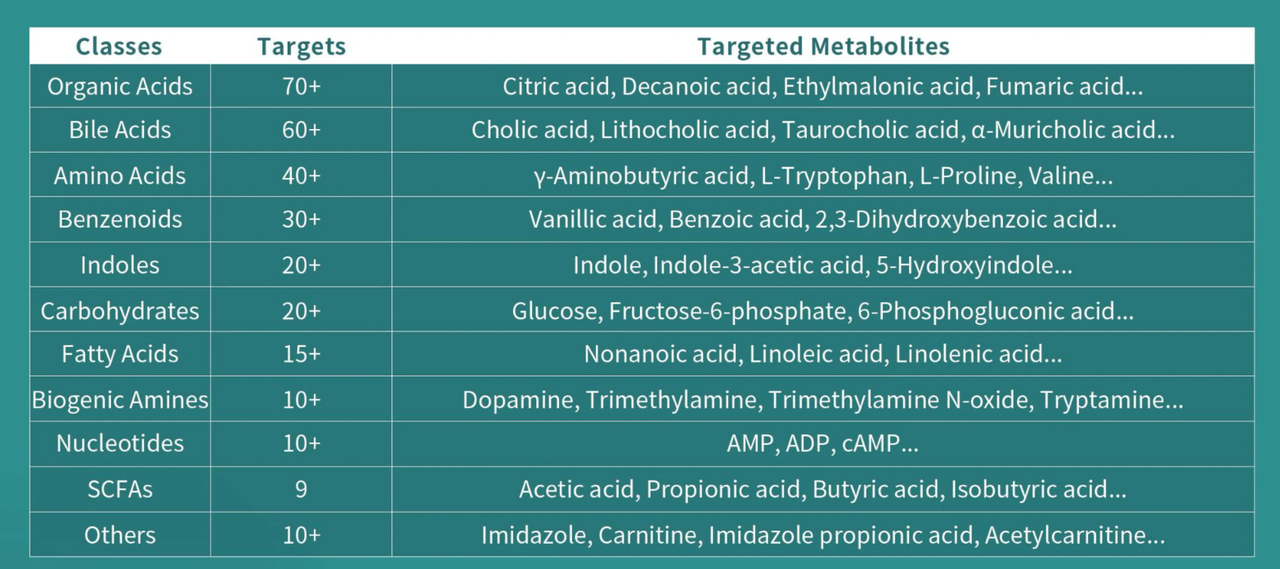
AQ Gut Flora 300 specializes in the detection of these gut microbiota metabolites. It covers ten major categories of gut-related substances, such as short-chain fatty acids, bile acids, amino acids, and indoles. With its extensive coverage and comprehensive panel, a single test reveals a wealth of information regarding gut microbiota-associated metabolites, fully meeting the demand for multi-metabolite analysis.
Target Panel List
Sample Requirement
Tissue | 200mg/sample |
Plasma/Serum | 200ul/sample |
Stool | 200mg/sample |
LC-MS Platform
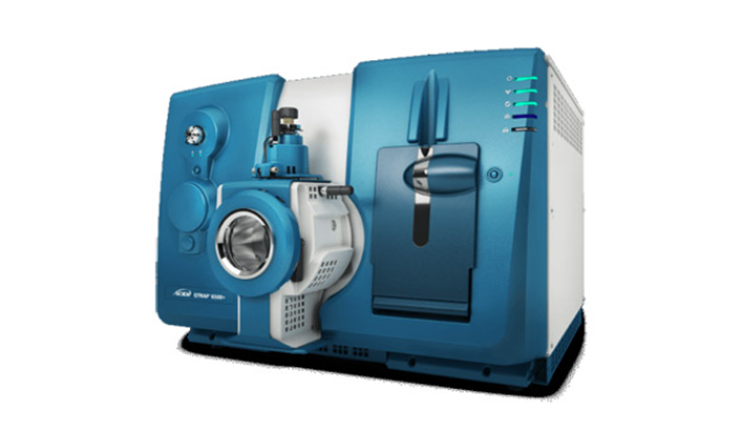
Qtrap 6500+, Sciex
Applications
◉ Regulation of Host Metabolism: Modulating metabolic pathways within the host organism.
◉ Modulation of Gut Microbiota Composition and Function: Influencing the structure and functional activity of the intestinal microbial community.
◉ Drug Development: Facilitating the discovery and development of novel therapeutics targeting the gut-microbiome axis.
◉ Biomarker Screening: Identifying key metabolic signatures for diagnostic or prognostic purposes.
◉ Prevention and Treatment of Metabolic Diseases: Providing strategies and insights for managing conditions such as obesity, diabetes, and cardiovascular disorders.
Example Publication
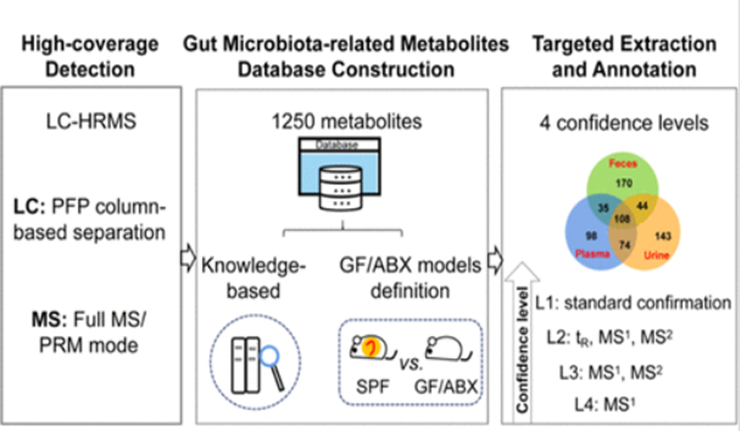
Strategy for Comprehensive Detection and Annotation of Gut Microbiota-Related Metabolites Based on Liquid Chromatography–High-Resolution Mass Spectrometry.
This study proposes a systematic strategy for the large-scale detection and annotation of gut microbiota-related metabolites. Initially, a Liquid Chromatography-High-Resolution Mass Spectrometry (LC-HRMS) method was developed to achieve high-coverage analysis of these metabolites. Validation confirmed that this method is stable, robust, and features a wide linear range, high sensitivity, satisfactory recovery rates, and strong reproducibility.
Subsequently, an integrated information database was constructed, comprising 968 knowledge-based microbiota-related metabolites and 282 sample-derived metabolites defined by germ-free (GF) and antibiotic-treated (ABX) models. This database was then utilized for targeted extraction and annotation in biological samples.
Demonstrated through applications in mouse feces, plasma, and urine, the strategy successfully annotated 672 microbiota-related metabolites. Notably, 21% of these identified compounds had been overlooked by conventional non-targeted peak detection methods. This strategy serves as a valuable tool for comprehensively capturing the gut microbial metabolome, facilitating a deeper understanding of microbe-host interactions.
